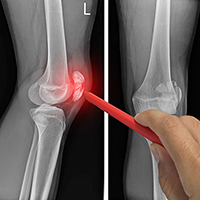
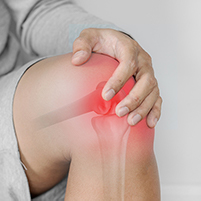
Don’t Let Hip and Knee Pain Slow You Down!

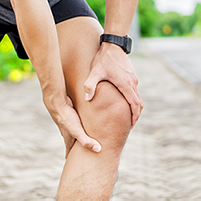
Hip and knee pain can be attributed to everything from sports overuse injuries to degeneration. Let us find the cause and create a personalized treatment plan for your hip and knee pain.

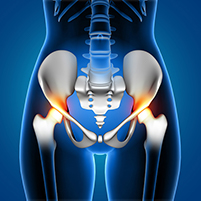
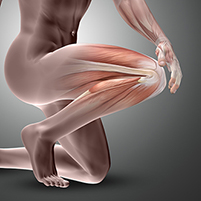
Hip and knee pain are common problems as these joints support much of the body weight. When these parts are under a lot of stress, they can lead to acute ligament and tendon damage and gradual joint deterioration.
What causes hip and knee pain?

Hip and knee pain can occur due to a variety of causes. Common overuse injuries can affect both hip and knee as both joints are constantly in use. Some other conditions may be more specific to one joint or the other. However, injuries that cause hips instability can affect the knees too.

Common Conditions that Cause Hip and Knee Pain

Hip Conditions
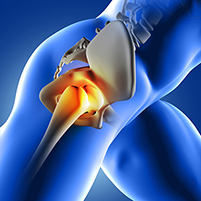
Hip Bursitis

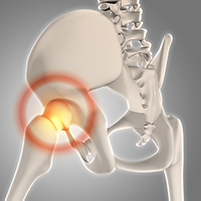
Hip bursitis is a painful condition caused by inflammation of a bursa in the hip. Bursae are fluid-filled sacs present in joints between bone and soft tissue to reduce friction and provide cushioning during movement. Hip bursitis is often seen in people who participate in sports such as soccer which involve a lot of running. This can lead to overuse and irritation of the bursa, causing inflammation. Bursitis can be due to an injury, fall to the hip or after a surgical procedure of the hip.

Hip impingement

Hip impingement is when an unusually shaped hip joint causes the bones to press against each other. It is also called femoroacetabular impingement or FAI. Hip impingement can injure the labrum, a tissue that cushions the hip joint. This causes pain and can lead to arthritis if it is not treated. You may experience pain when you sit for a long time, get in or out of a car, or pivot when playing sports.

Hip Labral Tear

The labrum is a ring of cartilage that lines the rim of your hip socket. It helps hold the thigh bone securely in the joint, allowing flexibility and motion. The labrum cushions the joint and distributes pressure during physical activity. Labral tears often occur due to trauma such as car accidents, falls and dislocations. Other causes include hip impingement and joint degeneration. People who participate in sports that involve repeated hip hyperextension, external rotation and pivoting such as ballet, soccer, running and sprinting are prone to such injury. The symptoms usually start as a dull ache in the front or side of the hip but can be sharp or “snap” in specific movements.

Iliotibial Band Syndrome

The iliotibial band (IT Band) is a tendon that runs along outside of your leg. Inflammation occurs when the knee or the hip muscles are overused. Along with overuse, factors like incorrect training habits and inflexible or weak muscles can also contribute to the syndrome.

The most common symptom associated with IT band syndrome is lateral knee pain, often experienced as a sharp, burning or stinging pain.

Knee Conditions

Anterior Cruciate Ligament (ACL) Injury

The anterior cruciate ligament (ACL) is probably the most commonly injured knee ligament. The ligament is often injured when people participate in sporting activity. Those sports requiring the foot to be planted and the body to change direction rapidly (such as basketball or soccer) carry a high incidence of injury. Many patients would hear a loud pop when the ligament is torn and feel their knee give way.

Kneecap Dislocation

Kneecap dislocation occurs when the round-shaped bone covering the knee (patella) moves or slides out of place. Dislocation usually occurs due to a sudden change in direction while running or a direct result of injury. The patient’s knee may experience swelling, pain or tenderness, and it may appear deformed. Kneecap dislocation damages your knee joint. It can lead to cartilage injuries and increase the risk of developing osteoarthritis at a younger age. Repeat dislocations will make the condition worse and harder to treat.

Meniscal Tears

The meniscus is a C-shaped fibrocartilaginous structure in the knee. A meniscal tear is one of the most frequently reported injuries to the knee joint. It often results either from a sporting injury or a twisting injury when getting out of a chair. Sometimes it can also occur from standing from a squatting position. Symptoms of a tear are usually pain, stiffness, swelling, locking, and decreased range of motion.

Signs and symptoms of Hip and Knee Pain include:

Limited range of motion

Pain in the hip or knee when you are at rest

Joint pain after sitting for an extended period of time

Tenderness or swelling of the hip

Tenderness or swelling of the knee

Sound of crunching when walking

Sharp pain through the leg

If you or someone you know have any of the above conditions and would like to be advised on the appropriate treatment, please call to make an appointment.

Hip and Knee Problems that we can help you with

  • Anterior Cruciate Ligament (ACL) Tears
  • Meniscus tears and cartilage injuries of the knee
  • Patella or knee cap dislocation (MPFL reconstruction)
  • Hip labral tears
  • Femoralacetabular impingement of the hip
  • High tibial osteotomy

Associated Treatments

  • Arthroscopy
  • Major joint reconstruction
  • Treatment of fractures
  • Knee ligament repair
  • Knee meniscal surgery

Comprehensive Medical Attention

Transparent Fees

More than 10 Years of Specialist Experience

Our Locations
Pinnacle Orthopaedic Group (Orchard)
Mount Elizabeth Medical Centre
3 Mount Elizabeth #04-07
Singapore 228510

Pinnacle Orthopaedic Group (Parkway East)
Parkway East Medical Centre
319 Joo Chiat Place #03-05
Singapore 427989

Pinnacle Orthopaedic Group (Novena)
Mount Elizabeth Novena Specialist Centre
38 Irrawaddy Road #04-26
Singapore 329563

Pinnacle Orthopaedic Group (Alvernia)
Mount Alvernia Medical Centre Block D
820 Thomson Road #05-55
Singapore 574623

Opening Hours
Monday – Friday: 9:00AM – 5:00PM
Saturday: 9:00AM – 12:30PM

Clinic Hotline:
+65 6025 8888 (24 Hrs)

Get In Touch with Us

For appointment or enquiry, please fill in the form below:

    Pinnacle Orthopaedic Group. © 2022. All Rights Reserved.